

FAQ

Looking forward to seeing you at the Markets!
How to keep insects and bugs away?
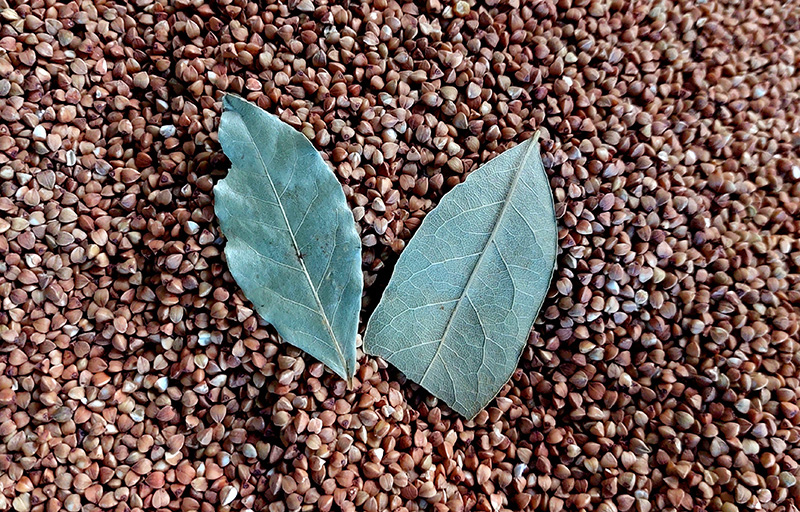
Repel Bugs Naturally with Bay Leaves
Bugs can’t stand the bitter scent of bay leaves. Place them around your home to help keep flies, moths, mice, earwigs, and roaches away. Fresh leaves work great – but dried bay leaves are just as effective!
Bugs can’t stand the bitter scent of bay leaves. Place them around your home to help keep flies, moths, mice, earwigs, and roaches away. Fresh leaves work great – but dried bay leaves are just as effective!
Does your kasha taste good?
We carefully select our suppliers to ensure we always offer the most delicious roasted buckwheat. And yes – it’s absolutely delicious!
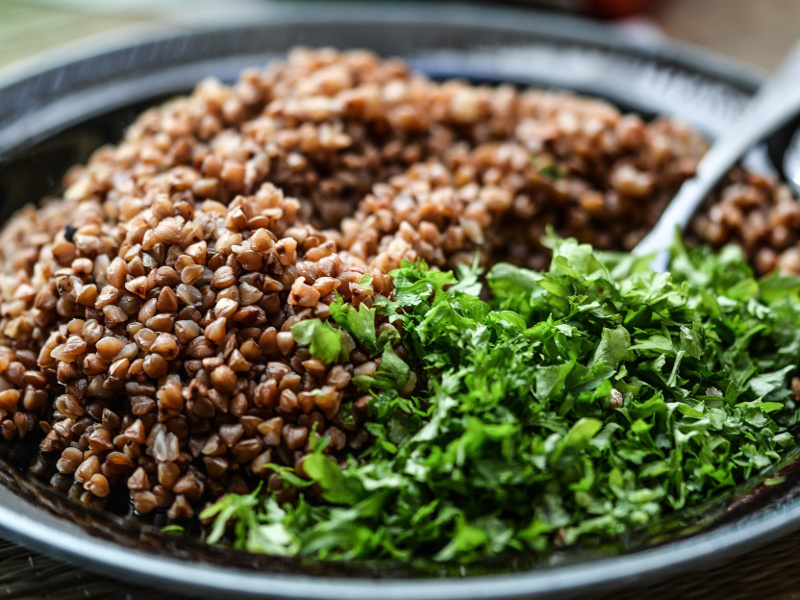
Why is buckwheat a "Superfood"?
Buckwheat isn’t a grain or groat – every part of it is a seed! These small, unassuming seeds hide a true treasure. They support vascular health, improve blood circulation, and may even help with certain health issues, including impotence.
Each buckwheat seed contains everything needed to grow a new plant, making it incredibly nutritious and highly bioavailable for those who eat it. Every seed is a super seed – and that’s why buckwheat is a true superfood!
Each buckwheat seed contains everything needed to grow a new plant, making it incredibly nutritious and highly bioavailable for those who eat it. Every seed is a super seed – and that’s why buckwheat is a true superfood!
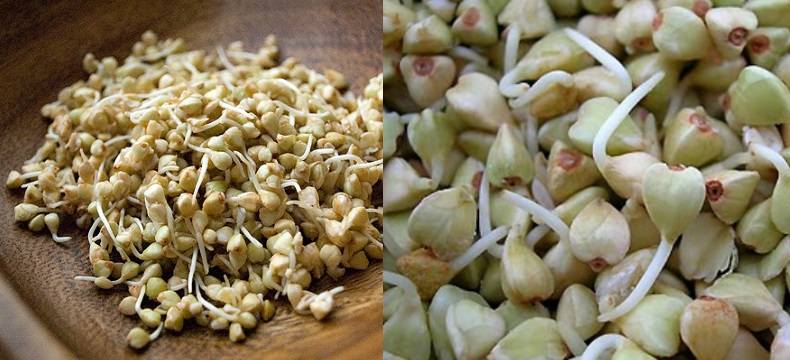
Why is buckwheat so good for losing weight?
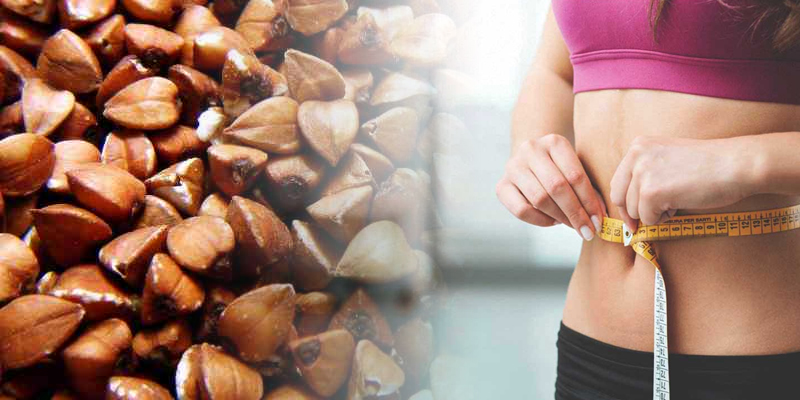
Regular consumption of buckwheat can greatly support weight loss.
Buckwheat is lower in calories compared with barley or wheat, completely free of cholesterol and saturated fat, and packed with protein and fiber – making it a staple in weight-loss recipes.
Because buckwheat digests more slowly than other foods, it keeps you feeling full for longer, naturally suppressing your appetite. Its carbs don’t convert into sugar like other carbs, and it’s very light on the stomach – so you can enjoy as much Kasha as you need without bloating.
For example, just 100 g of buckwheat can keep you satisfied for around 8 hours. Larger portions can keep hunger away for 10–12 hours or more.
Kasha is perfect for anyone with a big appetite – hearty, filling, and naturally satisfying!
Buckwheat is lower in calories compared with barley or wheat, completely free of cholesterol and saturated fat, and packed with protein and fiber – making it a staple in weight-loss recipes.
Because buckwheat digests more slowly than other foods, it keeps you feeling full for longer, naturally suppressing your appetite. Its carbs don’t convert into sugar like other carbs, and it’s very light on the stomach – so you can enjoy as much Kasha as you need without bloating.
For example, just 100 g of buckwheat can keep you satisfied for around 8 hours. Larger portions can keep hunger away for 10–12 hours or more.
Kasha is perfect for anyone with a big appetite – hearty, filling, and naturally satisfying!
Is buckwheat high in carbs
Buckwheat – a high-carb food that’s actually super healthy!
Raw buckwheat contains about 71.5% carbs, while cooked buckwheat groats have around 20% carbs.
Unlike most carbs, the carbohydrates in buckwheat don’t spike blood sugar, making it an excellent choice for diabetics.
Raw buckwheat contains about 71.5% carbs, while cooked buckwheat groats have around 20% carbs.
Unlike most carbs, the carbohydrates in buckwheat don’t spike blood sugar, making it an excellent choice for diabetics.

Is Buckwheat a seed or a grain?
Buckwheat is another of the Pseudo-cereal super-seeds that are often confused with being a grain because of the grain-like way they are cooked and used.
Of course, the word “wheat” in “buckwheat” also often makes people think that it is a type of wheat.
Buckwheat is, in fact, a seed.
Of course, the word “wheat” in “buckwheat” also often makes people think that it is a type of wheat.
Buckwheat is, in fact, a seed.
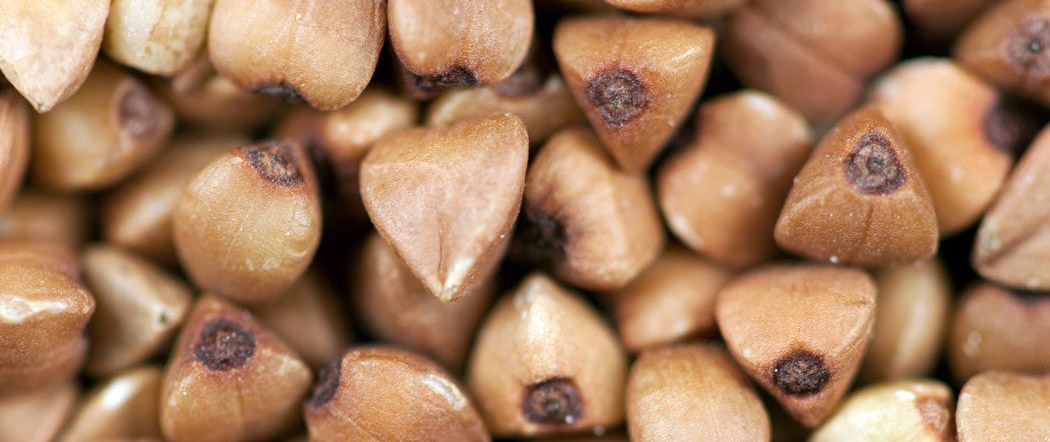
How do I store buckwheat?
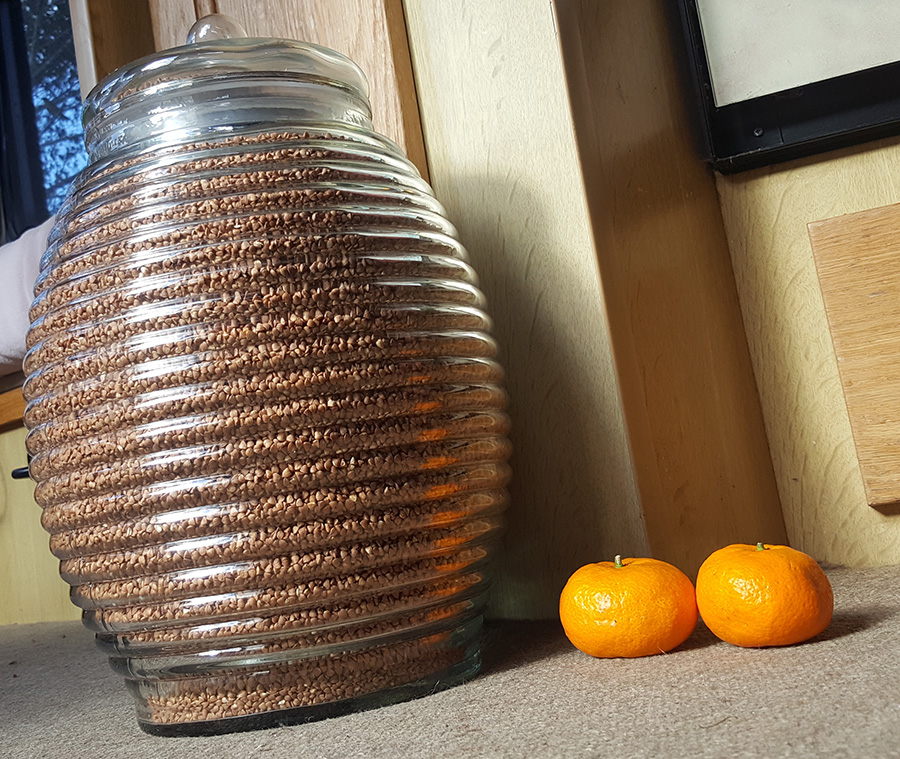
Store in dry, clean, well-ventilated and insect free places, at a temperature not above +20 C and relative humidity not higher than 70%.
Is Buckwheat gluten-free?
Yes!
Because it is neither a grain nor related to wheat, buckwheat is gluten-free and safe for those with celiac disease and gluten sensitivities. Studies show that even in high concentrations, buckwheat flour and its purified proteins have no immunologic reactions for patients with celiac disease.
Because it is neither a grain nor related to wheat, buckwheat is gluten-free and safe for those with celiac disease and gluten sensitivities. Studies show that even in high concentrations, buckwheat flour and its purified proteins have no immunologic reactions for patients with celiac disease.

Why is Roasted Buckwheat good as Emergency Food?
Buckwheat – packed with protein, three times more than brown rice, couscous, or quinoa!
Roasted buckwheat has a shelf life of 20 months from the Best Before date, and if kept dry, it can last for years beyond that. This makes it perfect for an emergency supply.
It’s also ideal for keeping at a holiday home or bach. All you need is water – if there’s no electricity, just soak it for about 2 hours, and it’s ready to eat!
Roasted buckwheat has a shelf life of 20 months from the Best Before date, and if kept dry, it can last for years beyond that. This makes it perfect for an emergency supply.
It’s also ideal for keeping at a holiday home or bach. All you need is water – if there’s no electricity, just soak it for about 2 hours, and it’s ready to eat!
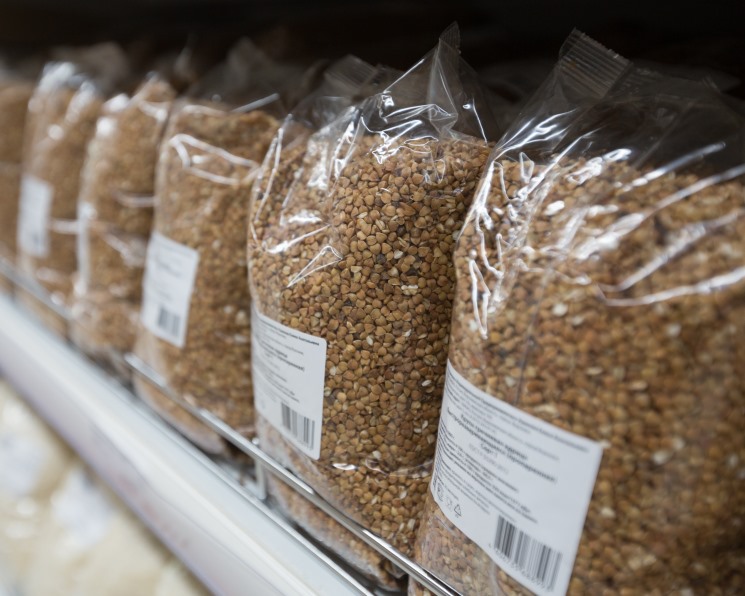
How do I cook Roasted Buckwheat Groats?
1 cup buckwheat, 2.5 cups water, 1 teaspoon salt.
Add buckwheat to boiling salted water.
Cook on low heat for about 15 minutes until all water is absorbed.
Add butter to taste.
Use as a substitute for rice, pasta, potatoes,
Or make porridge, salad, soup.
Add buckwheat to boiling salted water.
Cook on low heat for about 15 minutes until all water is absorbed.
Add butter to taste.
Use as a substitute for rice, pasta, potatoes,
Or make porridge, salad, soup.

Why is buckwheat perfect for vegan or vegetarian?
Roasted buckwheat (kasha) is excellent for vegans and vegetarians for several reasons:
High in Plant Protein – Buckwheat contains all essential amino acids, making it a complete plant protein. This is especially valuable for those avoiding meat.
Rich in Fiber – Helps with digestion and keeps you full longer, which is great for plant-based diets.
Minerals & Vitamins – Contains magnesium, iron, zinc, and B vitamins, which can sometimes be harder to get from a vegan diet.
Gluten-Free – Safe for those avoiding gluten, common among plant-based eaters.
Versatile & Easy to Cook – Can be used in porridges, salads, stir-fries, or even baked goods, providing a hearty, nutritious base for meals.
Low in Fat & Satiety-Friendly – Supports healthy weight management, especially important for a vegan diet focusing on whole foods.
In short, roasted buckwheat is a nutrient-dense, protein-rich, and versatile food that fits perfectly into vegan and vegetarian diets.
High in Plant Protein – Buckwheat contains all essential amino acids, making it a complete plant protein. This is especially valuable for those avoiding meat.
Rich in Fiber – Helps with digestion and keeps you full longer, which is great for plant-based diets.
Minerals & Vitamins – Contains magnesium, iron, zinc, and B vitamins, which can sometimes be harder to get from a vegan diet.
Gluten-Free – Safe for those avoiding gluten, common among plant-based eaters.
Versatile & Easy to Cook – Can be used in porridges, salads, stir-fries, or even baked goods, providing a hearty, nutritious base for meals.
Low in Fat & Satiety-Friendly – Supports healthy weight management, especially important for a vegan diet focusing on whole foods.
In short, roasted buckwheat is a nutrient-dense, protein-rich, and versatile food that fits perfectly into vegan and vegetarian diets.

Can buckwheat be reheated?
Absolutely yes!
Cooked kasha (unlike rice) can be stored in the fridge for many days just fine and then reheated.
Moreover, reheated roasted buckwheat looks and tastes the same as you would just boil it fresh!
Cooked kasha (unlike rice) can be stored in the fridge for many days just fine and then reheated.
Moreover, reheated roasted buckwheat looks and tastes the same as you would just boil it fresh!

What does buckwheat plant look like?
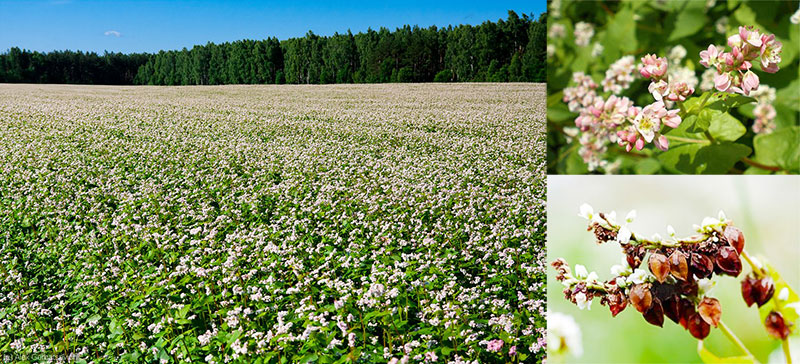
Buckwheat, or Fagopyrum tataricum, is a hearty plant bearing three sided grain-like seeds. At maturity, it stands at between 2 and 4 feet tall.
It flowers prolifically for two to three weeks and eventually produces hundreds of small brown seeds with high nutritional value. Each seed, or groat, is protected by a hard outer shell or hull much like a sunflower seed.
It flowers prolifically for two to three weeks and eventually produces hundreds of small brown seeds with high nutritional value. Each seed, or groat, is protected by a hard outer shell or hull much like a sunflower seed.
Why roasted?
Buckwheat is roasted for several practical and nutritional reasons:
Improves Flavor – Roasting gives buckwheat a nutty, rich taste, which is much more appealing than the bland flavor of raw buckwheat. This is why roasted buckwheat (kasha) is commonly used in cooking.
Enhances Aroma – The roasting process releases natural oils and aromas, making it more appetizing.
Easier to Cook – Roasted buckwheat absorbs water more predictably and cooks faster than raw groats.
Better Digestibility – Roasting can slightly break down certain compounds (like phytic acid) that might inhibit nutrient absorption, making minerals like iron and magnesium more available.
Longer Shelf Life – Roasting reduces moisture content, which helps prevent spoilage and extends storage time.
Versatile in Recipes – Roasted buckwheat keeps its shape better in salads, porridges, or side dishes, whereas raw buckwheat can be softer or mushy if overcooked.
It is sometimes also referred to as toasted or grilled
Improves Flavor – Roasting gives buckwheat a nutty, rich taste, which is much more appealing than the bland flavor of raw buckwheat. This is why roasted buckwheat (kasha) is commonly used in cooking.
Enhances Aroma – The roasting process releases natural oils and aromas, making it more appetizing.
Easier to Cook – Roasted buckwheat absorbs water more predictably and cooks faster than raw groats.
Better Digestibility – Roasting can slightly break down certain compounds (like phytic acid) that might inhibit nutrient absorption, making minerals like iron and magnesium more available.
Longer Shelf Life – Roasting reduces moisture content, which helps prevent spoilage and extends storage time.
Versatile in Recipes – Roasted buckwheat keeps its shape better in salads, porridges, or side dishes, whereas raw buckwheat can be softer or mushy if overcooked.
It is sometimes also referred to as toasted or grilled


- 027 374 8770
- contact@baybuckwheat.co.nz
- New Zealand, Tauranga, Mt Maunganui, 3116
© 2017 - 2026 BAY BUCKWHEAT

